Zone Heating: When Warming One Room Costs Less Than Heating the Whole House
If you spend most of your evening in one room, you may not need to heat every room. Here's how zone heating works, and when it actually saves money.

Most homes heat every room to the same temperature, all day. But most people only use one or two rooms at a time. In the evening it's the living room. At night it's the bedroom. During the workday it might be a home office.
Zone heating is the idea of keeping the whole house a little cooler and adding heat only where you are. Done right, it can lower your heating bill. Done wrong, it can raise it. Here's how to tell the difference.
How zone heating saves money
Your furnace or heat pump works hardest to keep every room warm. If you turn the main thermostat down and use a small heater in the room you're in, the main system runs less.
The U.S. Department of Energy says you can save as much as 10% a year on heating and cooling by turning your thermostat back 7 to 10 degrees for eight hours a day. Zone heating is one way to make a lower thermostat setting comfortable.
When it doesn't save money
- When you heat lots of rooms with space heaters. Small electric heaters are meant for one space at a time. Running several of them to heat a whole house can cost more than your central system.
- When you don't lower the main thermostat. If the furnace is still keeping the whole house at 70°F, a space heater just adds to the bill.
- When electricity is expensive where you live. Depending on local rates, heating with gas or a heat pump can cost less per unit of heat than electric resistance heating. Your utility bill shows your rates.
How to try it
- Pick your main room. Where do you spend the most time when it's cold?
- Lower the main thermostat a few degrees. Start small, then go lower if you're comfortable.
- Close the door to the room you're heating, so the warm air stays put.
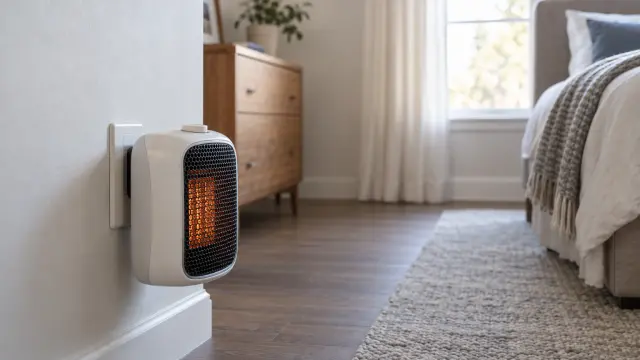
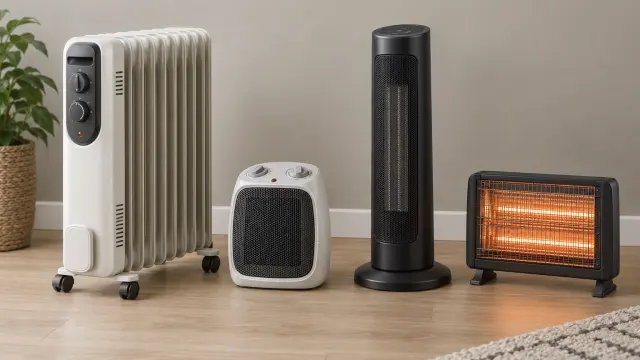
- Use the right size heater for the space. A small plug-in heater is good for a desk or a small room. A larger room usually needs a full-size heater. (See what plug-in heaters are good for.)
- Compare your bills month to month, against the same month last year if you can.
Zone heating checklist
- Lower the main thermostat when you zone heat
- Heat one room at a time, with the door closed
- Match the heater to the size of the room
- Follow every safety rule for portable heaters
- Check your bill to see whether it's working
The bottom line
Zone heating works best when it lets you turn the rest of the house down. Heat the room you're in, keep it safe, and let your bills tell you whether it's paying off. Before you start, read our space heater safety checklist.
Note: This article is general information. Follow your heater manufacturer's instructions and local fire safety guidance. Energy costs and savings vary by home, climate and electricity rates.