Ceramic, Oil-Filled, Infrared or Convection? Space Heater Types Explained
Every electric heater turns power into heat about equally well. The difference is how they deliver it. Here's which type fits which room.
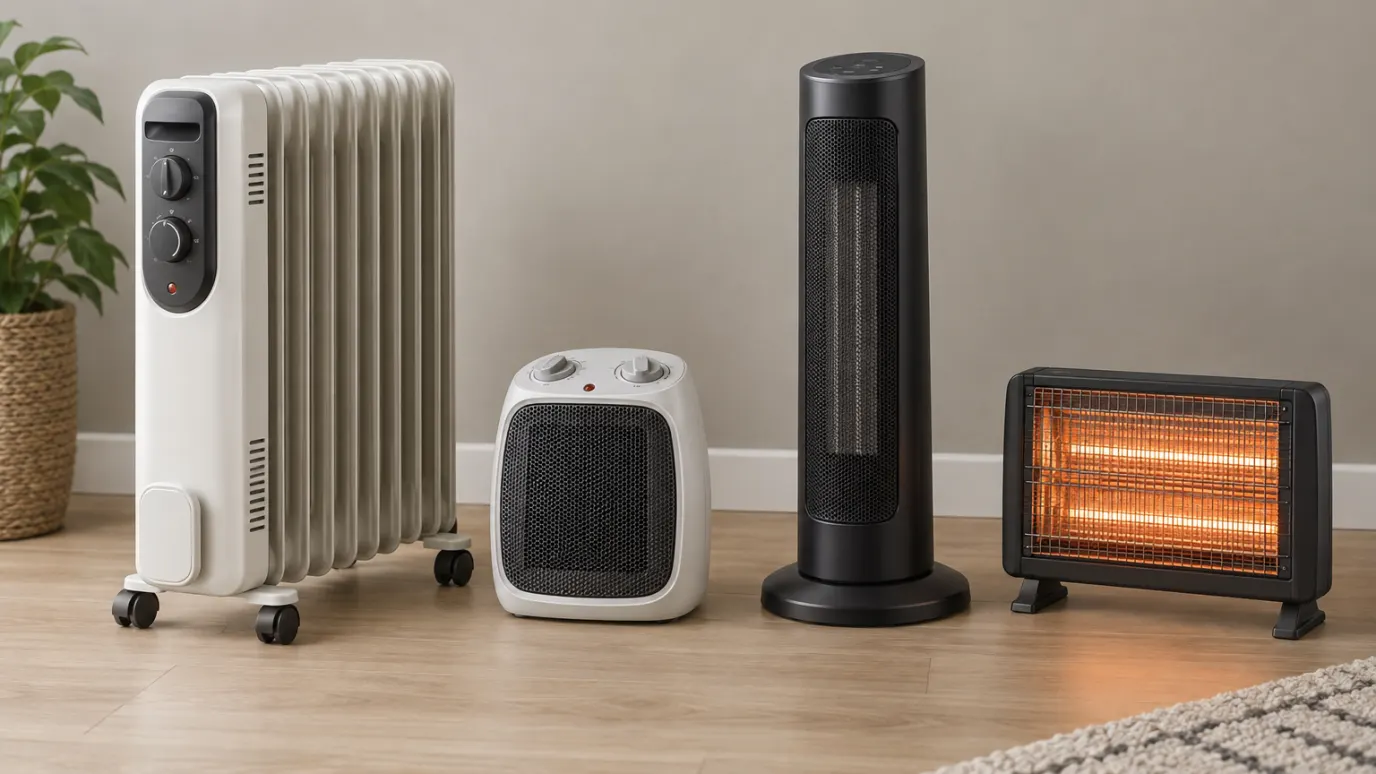
Shopping for a space heater can be confusing. There are ceramic heaters, oil-filled radiators, infrared heaters, tower heaters and panel heaters, all claiming to be the most efficient.
Here's a secret that clears a lot of it up: nearly all electric resistance heaters convert almost 100% of the electricity they use into heat. None is dramatically "more efficient" than another at making heat. What differs is how quickly they warm you, how they spread the heat, and how they feel to use.
Ceramic heaters (PTC)
Ceramic heaters pass air over a heated ceramic element, usually with a small fan. Many use PTC (positive temperature coefficient) ceramics, which limit their own temperature as they heat up.
- Good for: quick warmth in small spaces, desks, bedrooms and offices.
- Keep in mind: the fan makes some noise, and the heat fades soon after you turn it off.
Oil-filled radiators
These look like old-fashioned radiators. An electric element heats sealed-in oil, which warms the metal fins, which warm the room.
- Good for: steady, silent heat over long periods, such as bedrooms overnight (if the manual allows it).
- Keep in mind: slow to warm up, heavy, and the surface gets hot.
Infrared (radiant) heaters
Infrared heaters warm people and objects directly, the way sunlight does, rather than heating all the air first.
- Good for: spot heating where you're sitting, garages, workshops and drafty spaces.
- Keep in mind: you feel warm in front of it but not elsewhere in the room.
Convection and panel heaters
Convection heaters warm the air, which rises and circulates around the room. Many are slim panels or tower units.
- Good for: evenly warming a whole closed room, quietly.
- Keep in mind: slower to feel warm than a fan heater.
How to choose
- Need fast warmth at a desk or in a small room? A compact ceramic heater.
- Want quiet, all-night warmth? An oil-filled or convection heater.
- Warming a spot in a drafty space? Infrared.
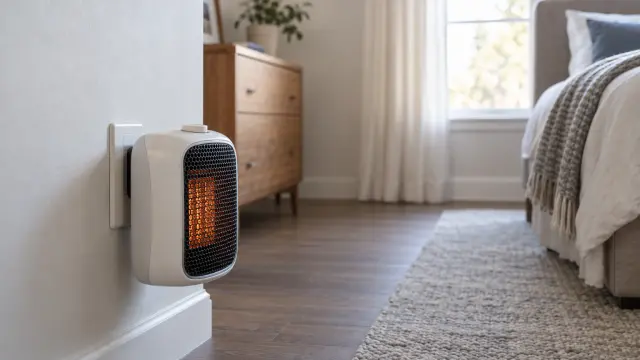
- Size matters more than type. A common rule of thumb is about 10 watts per square foot of room. Small plug-in units are best for personal or small-space heat. See what plug-in heaters are good for.
Whatever type you pick
- Safety certification from a recognized lab
- Overheat and tip-over protection
- A thermostat, so it cycles instead of running nonstop
- The right wattage for the room size
The bottom line
Don't pay extra for "efficiency" claims. Pick the type that matches your room and how you'll use it, size it correctly, and follow our safety checklist.
Note: This article is general information. Follow your heater manufacturer's instructions and local fire safety guidance. Energy costs and savings vary by home, climate and electricity rates.