How Much Does a Space Heater Cost to Run? Here's the Math
You can figure out what any electric heater costs per hour with two numbers: its wattage and your electricity rate.

Heater ads love to say things like "costs pennies to run." Sometimes that's true. Sometimes it isn't. The good news is that you don't have to guess. You can work it out yourself in a minute.
The formula
You need two numbers:
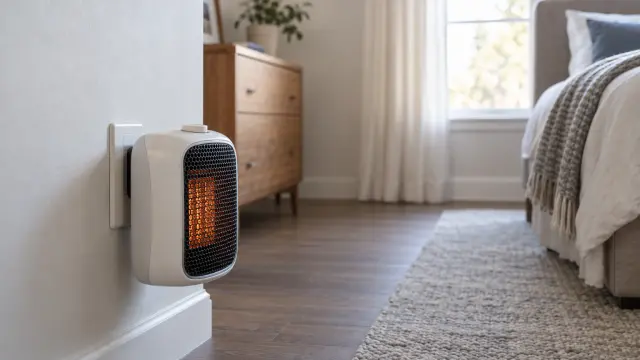
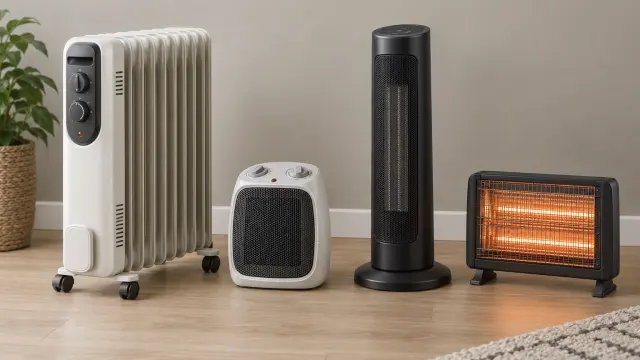
- The heater's wattage. It's on the label, the box or in the manual. Small plug-in heaters are often 400 to 500 watts. Full-size space heaters are usually up to 1,500 watts.
- Your electricity rate in cents per kilowatt-hour (kWh). It's on your electric bill.
Then:
Cost per hour = (watts ÷ 1,000) × your rate per kWh
Two examples
Say your electricity costs 17 cents per kWh. (Check your own bill; rates vary a lot by state and utility.)
- A 500-watt plug-in heater: 0.5 kWh per hour × $0.17 = about 8.5 cents an hour. Eight hours a day is about 68 cents.
- A 1,500-watt space heater: 1.5 kWh per hour × $0.17 = about 25.5 cents an hour. Eight hours a day is about $2.04.
Many heaters cycle on and off once a room reaches the set temperature, so the real cost can be lower than running at full power the whole time.
Watts tell you heat, too
Here's the part ads skip: for electric heaters, watts are heat. Nearly all electric resistance heaters turn almost all of the electricity they use into heat. A 500-watt heater costs less to run than a 1,500-watt heater, and it also puts out about a third as much heat.
That's why a small heater is cheap to run but works best in a small space or close to you. It won't heat a large, drafty room the way a full-size heater can.
Does it save money overall?
Only if it lets you use less of your main heating. If you turn the thermostat down and heat just the room you're in, you can come out ahead. See zone heating explained.
Quick cost check
- Find the heater's wattage on its label
- Find your rate per kWh on your electric bill
- Multiply watts ÷ 1,000 by your rate
- Multiply by the hours you'll use it each day
- Compare against what you'd save by lowering the thermostat
The bottom line
Any heater's running cost is easy to work out. Use your own rate, be realistic about hours, and remember that lower watts means lower cost and less heat.
Note: This article is general information. Follow your heater manufacturer's instructions and local fire safety guidance. Energy costs and savings vary by home, climate and electricity rates.